Raising Peacemakers: Highlights from Our 2026 Family Peace and Justice Program
From “Carrying a Heavy Load” to “Calm”
When mothers joined House of Hope’s Family Peace and Justice Education Program this year, they were asked to describe themselves in a few words. Many of their answers carried real weight: “A mother carrying a great deal.” “Carrying a heavy load due to economic circumstances.” “Nervy, impulsive, warm.”
When the program ended in July, they were asked again. This time, one word came up more than any other: calm. “Strong, calm.” “Calm, loving, active.” “Wisdom, patience, love.”
That shift, in the mothers’ own words, is the heart of what this year’s program achieved.
A program that refused to stop
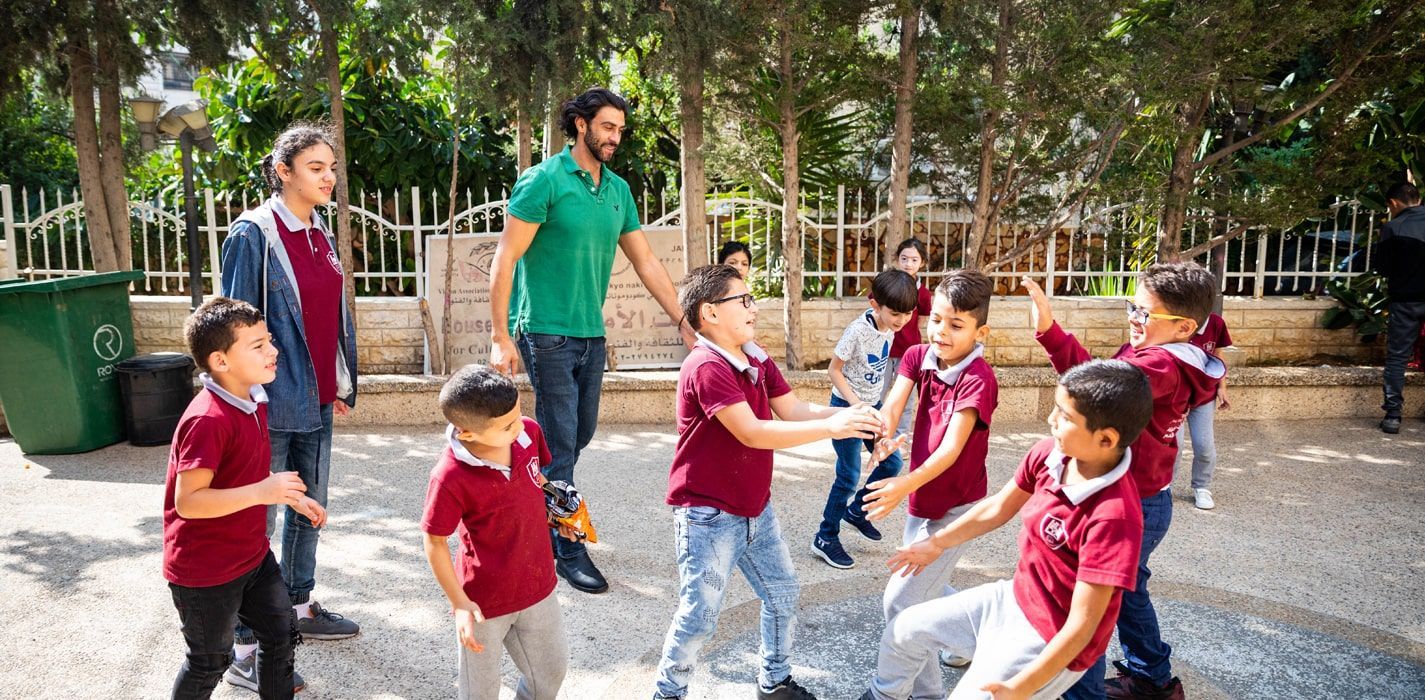
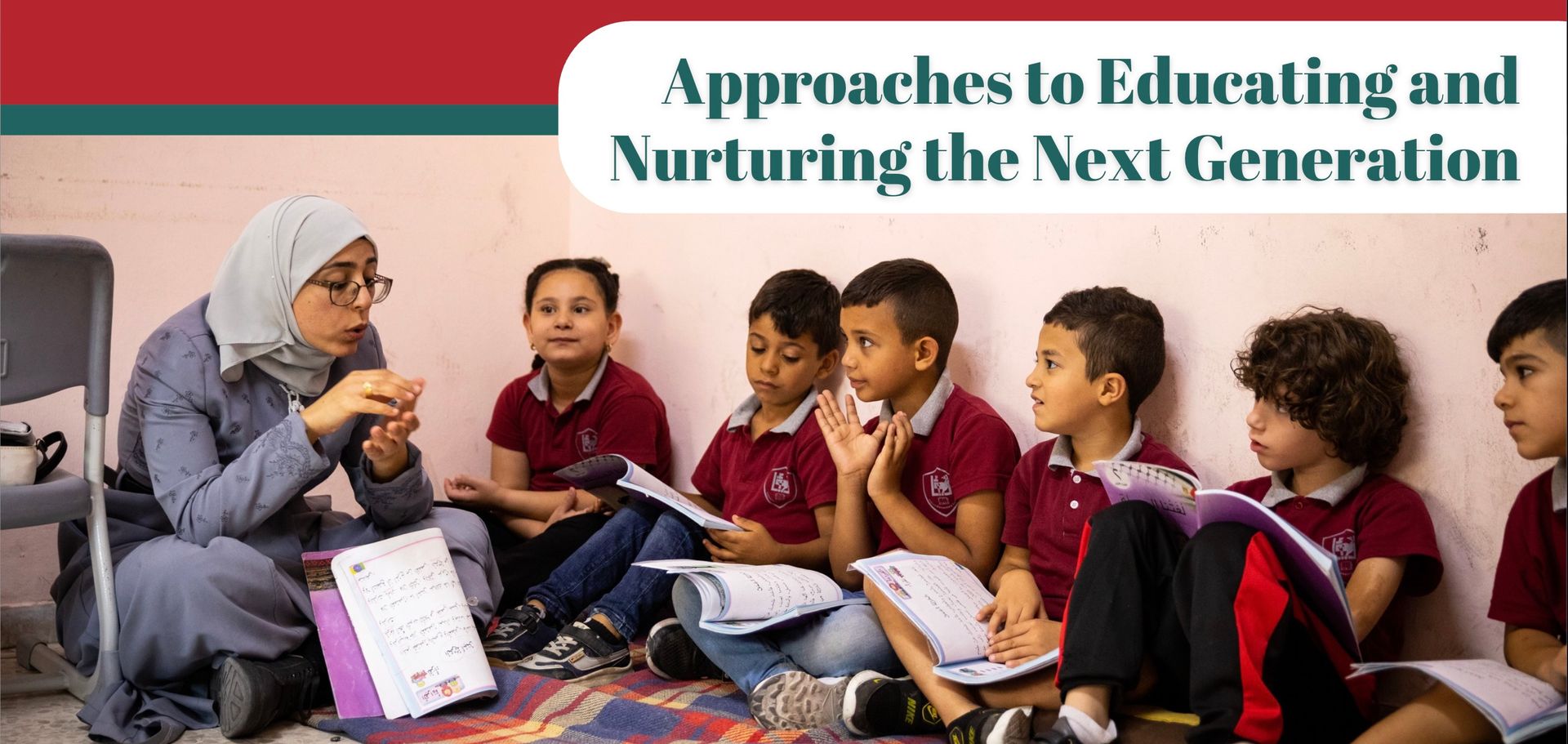
The Family Peace and Justice Education Program is run by House of Hope Vision School in El-Eizariya, in the West Bank. It gives mothers and caregivers practical tools, grounded in nonviolent communication and trauma-informed care, to support their children’s emotional well-being and strengthen communication at home.
This year, the program expanded to a second site, the UNRWA School in nearby Abu Dis. Sessions began in February. Then the outbreak of regional war and escalating violence in the West Bank forced the program to pause.
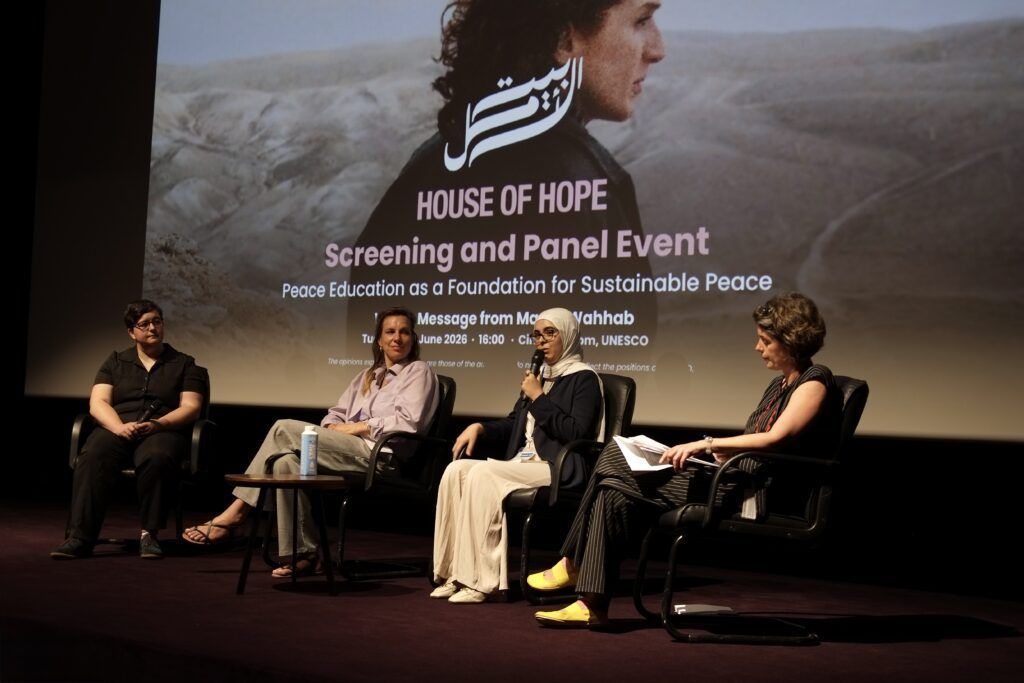
Many programs would have been cancelled. Instead, when it was safe to return in late April, program director Milad Vosgueritchian and trainers Zain Mohsen and Manar Wahhab doubled the schedule to two sessions a week. By July 11, they had delivered 28 sessions across both sites and covered all five core topics, from emotional intelligence and listening to resolving conflict at home.
And the mothers kept coming. Of the 28 who started, 27 finished.
What the mothers told us
At the end of the program, participants were asked how it had changed the way they raise their children. Their answers were short and strikingly consistent. Calm came up in about a third of them, often paired with love, patience or discipline. Others wrote “tenderness and affection,” “deliberation and thoughtfulness,” “respect,” or simply “comfort.”
When they described themselves as mothers, the pattern was even stronger. Calm appeared in over half of the answers. Loving came next, followed by kind, patient and content.
Before the program, some mothers had described real struggles connecting with their children. “I am always reactive and tense; it is hard for me to accept open conversation,” one wrote. Another said, “My children are too young to understand my feelings.” These are exactly the moments the program is built for: learning to pause, listen, and respond to a child without judgment, even when you are exhausted and afraid.
Calm might sound like a small word. For a parent raising children under constant stress, it is anything but. A calmer parent can listen instead of react, and a child who feels heard is better able to cope with what is happening around them.
The reality behind the results
A few months of workshops can’t change the conditions these families live in. Mothers in El-Eizariya and Abu Dis continue to navigate military occupation, economic hardship, restricted movement and violence. Several are also raising children with special needs, often without access to specialized support. As one mother wrote at the start: “I can’t get through to my son due to his illness and the absence of specialized support services. I am on my own — there is no help except from God.”
That is why this program is trauma-informed from the ground up. It doesn’t ask mothers to set aside what they are carrying. It gives them tools to carry it differently, and a group of other mothers to carry it with.
The program also made room for rest. Participants met outdoors at Hursh Al-Baba Park, took a trip to Battir Springs, and closed the program together at Wadi al-Badhan near Nablus.
Looking ahead
The mothers who finished this program went home to the same streets, the same checkpoints and the same uncertainty. What changed is how they meet it. They have new ways to listen to their children, to stay steady when things fall apart, and to lean on each other.
The team at House of Hope hopes to bring the program to more mothers in the year ahead. In a place where so much is outside a family’s control, the calm that a mother brings home is something she gets to keep, and something she can pass on to her children.