Are We Preaching the Gospel, or Have We Become Blind to Its Message?
A letter from Granada
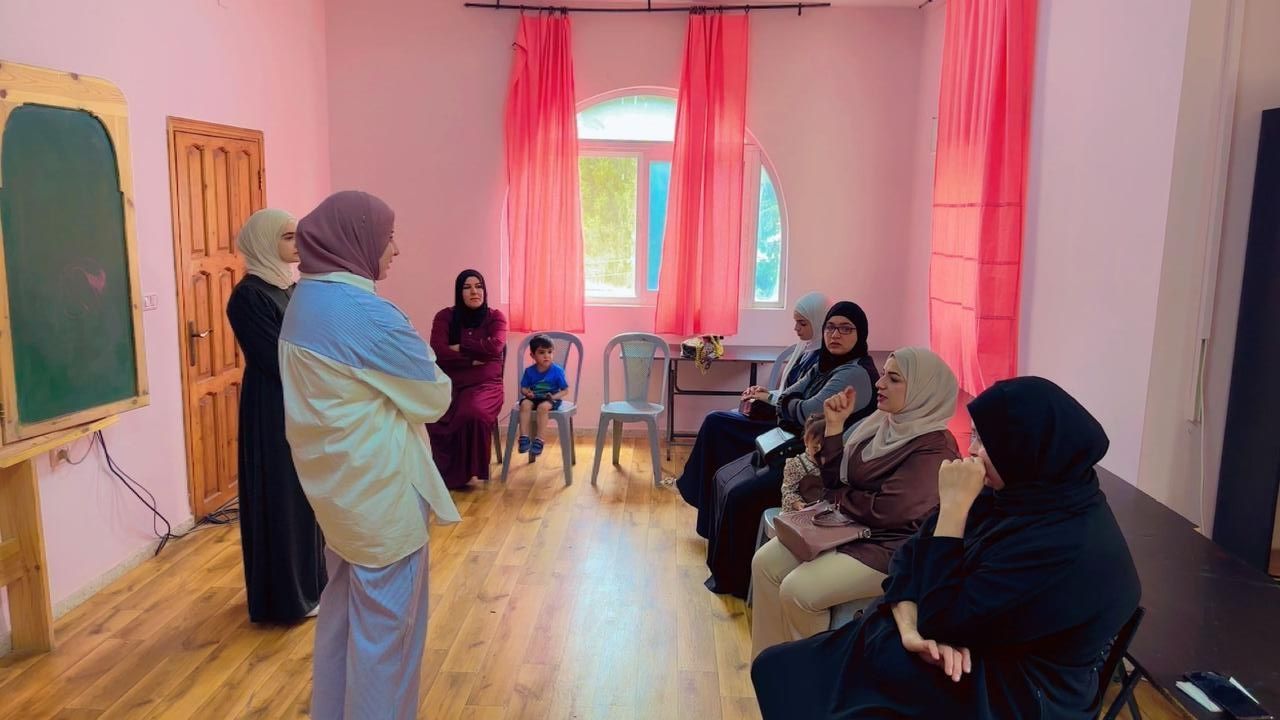
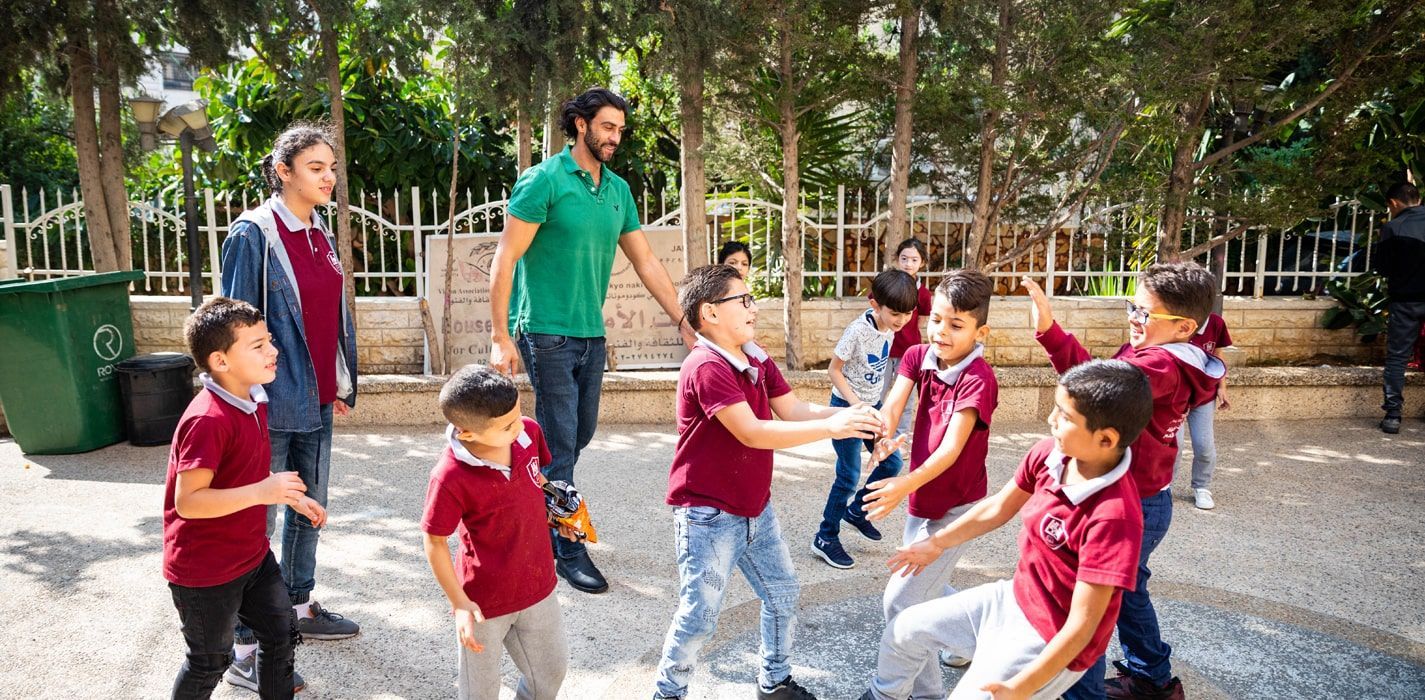
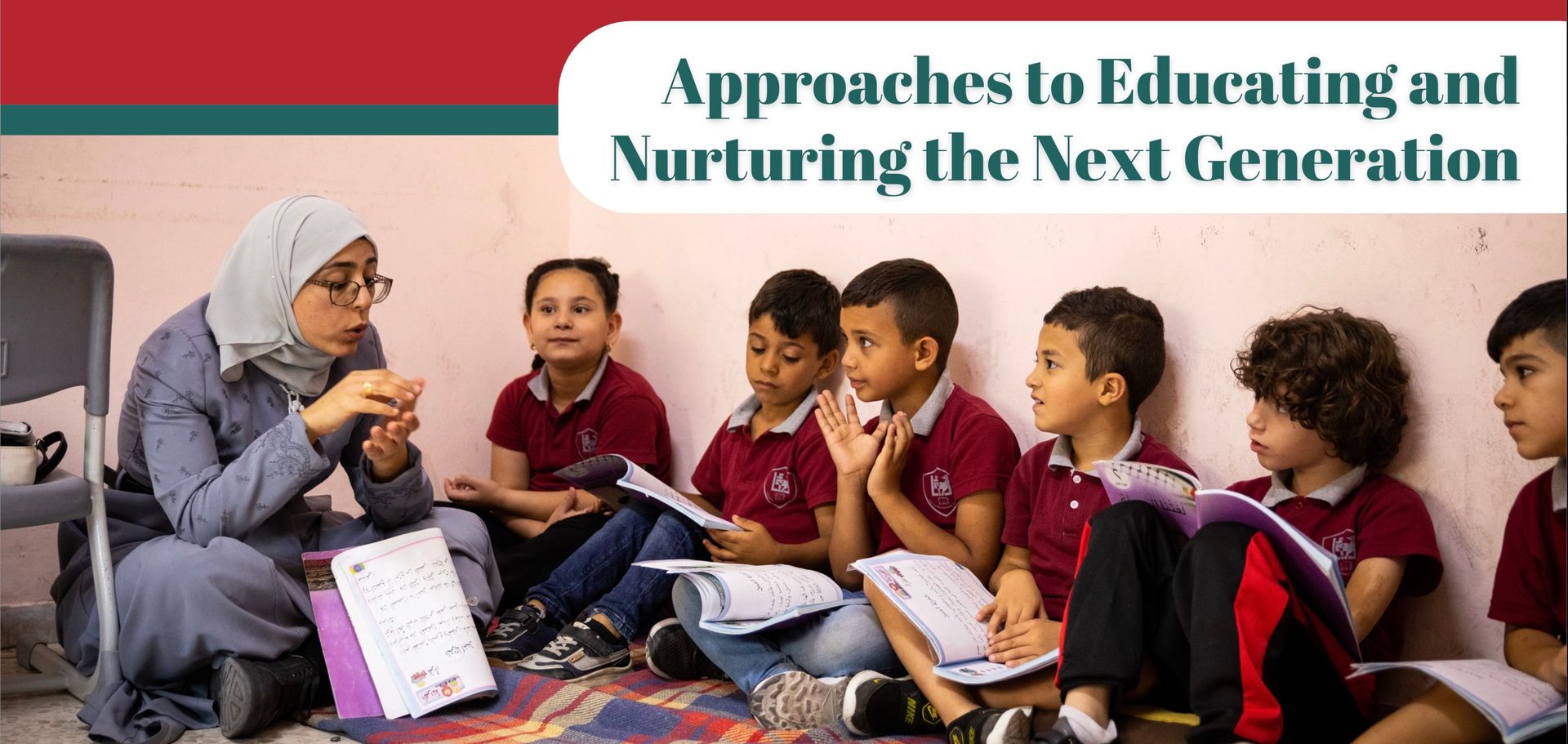
I am writing this from Granada. Until July, I lived in Al Aizariya, in the West Bank, where I taught Palestinian children the way of nonviolence. The Gospels call our village Bethany. It is where Jesus stayed with his friends Mary, Martha, and Lazarus, where he wept with them in their grief, and where he called Lazarus out of the tomb.
This summer, the violence around us grew so great that our lives were in danger, and I had to leave. Today I am one of many Palestinians forced to flee a Holy Land on fire.
For years I spoke about what the Church owes the poor, the displaced, and the forgotten. I never imagined I would become one of them. So when I ask the question at the heart of this letter, I am no longer asking from the outside. I am asking as someone standing at the Church's door.
Many Christians believe that preaching the Gospel is the most essential responsibility of the Church. We speak about evangelism, about spreading the Word of God, about bringing people closer to Christ. But I keep returning to a difficult question: can we truly preach the Gospel while remaining blind to the suffering and oppression of others?
When Jesus began his ministry, he did not shut himself inside religious institutions or wait for people to come to him. He walked among ordinary people. He entered their neighbourhoods, sat with those whom society had pushed aside, and touched those considered untouchable. He recognised their humanity before anything else. He was the Word of God among the people even before he spoke a word.
In Bethany, Jesus did not send a message of comfort from a distance. He came. He sat at the table. He wept before he acted. That is the Jesus I grew up knowing, in the place where he walked.
For him, people were never projects to be converted or numbers to be counted. He did not ask them to become powerful, respectable, or religiously acceptable before he approached them. He met them where they were.
This is where the Church must rediscover its calling. We cannot speak about the love of God while ignoring the wounds of humanity. We cannot preach freedom while staying silent when people are oppressed. We cannot celebrate the light of Christ while refusing to see those who live in darkness.
What does it mean to proclaim the Gospel to people who have been driven from their homes, whose children live in fear, whose voices are drowned out by violence? I know now, because I am one of them. It does not begin with words. It begins with someone who comes, who listens, who opens a door without expecting anything in return.
Perhaps the greatest danger facing Christianity is not that the world has stopped listening to the Church. Perhaps it is that the Church has stopped listening to the world, especially to the cries of those whom Jesus would have stopped to meet. We risk becoming like old temples: impressive in appearance, but with closed doors and unseeing eyes.
In Al Aizariya, I taught children that love is not weakness, and that you can resist injustice without becoming what you resist. I still believe it. But exile has taught me something new: the Gospel is not only what we preach to those who suffer. It is what the suffering hope to find when they knock.
Jesus did not come merely to establish a religion that speaks about love. He came to show us what love looks like when it walks among people. So the question for us today is not only whether we are preaching the Gospel. It is whether people can encounter the Gospel in the way we live.